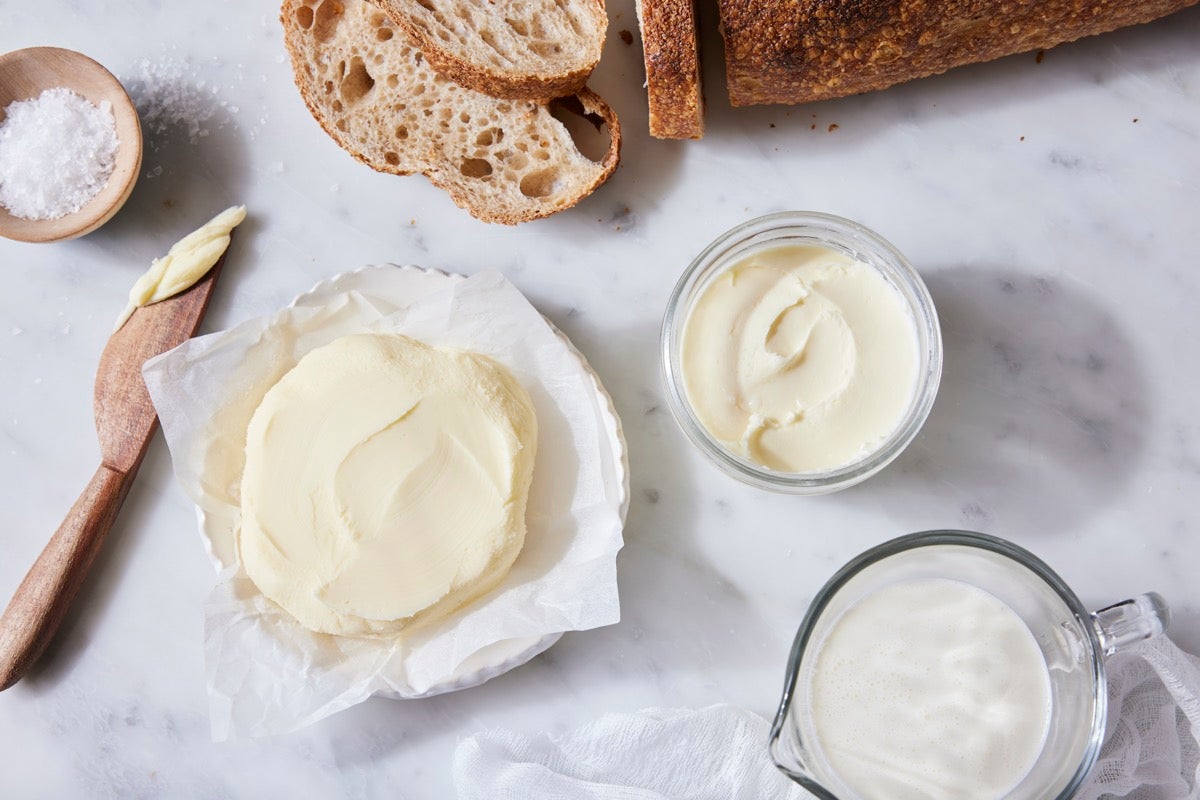
Unlocking Culinary Magic: Is Homemade Butter a Cheaper, Better Alternative?
Imagine spreading rich, creamy butter on your morning toast, knowing it was crafted just moments ago in your own kitchen. For many, the idea of making butter from scratch seems like a forgotten art, a task reserved for bygone eras or artisanal creameries. Yet, with a surge in home cooking and a desire for authentic, high-quality ingredients, the question resurfaces: can you truly make your own butter at home, and is it genuinely cheaper and better than what you buy at the store?
The answer, surprisingly, is a resounding yes on both counts, especially when you master the seemingly simple art of making butter with just one ingredient. We're talking about transforming humble cream into golden, delicious butter, a process that promises a taste and texture often unattainable from mass-produced varieties.
The Allure of One-Ingredient Butter: Simplicity Meets Superiority
The concept of "one-ingredient butter" isn't a myth; it's a testament to the purity of the process. At its core, butter is simply the fat solids separated from cream. The magic happens when you agitate cream until its fat molecules coalesce, leaving behind a liquid byproduct known as buttermilk. This straightforward transformation is what allows you to make butter with virtually no other additions, offering an unparalleled freshness and control over the final product.
Mastering this technique gives you several distinct advantages:
- Unmatched Freshness: Store-bought butter has often traveled and sat on shelves. Homemade butter, made minutes before use, offers an incredible flavor profile that is bright, sweet, and incredibly dairy-fresh.
- Ingredient Control: You choose the quality of your cream. This means opting for organic, grass-fed, or locally sourced cream, which can significantly impact the butter's flavor and nutritional benefits.
- Customization: While the base is one ingredient, homemade butter offers endless possibilities for customization. Add fine sea salt to your preferred taste, or infuse it with herbs, spices, or even citrus zest to create gourmet compound butters.
- A Rewarding Experience: There's immense satisfaction in creating something so fundamental and delicious from scratch. It's a tactile, engaging process that connects you more deeply with your food.
Renowned chefs like Adam Byatt, who operates the Michelin-starred Trinity restaurant in London, have championed this approach. After 35 years in the restaurant business, Byatt knows quality. He discovered that by starting with a high-quality double cream (at least 47% fat), he could produce a superior product at home that rivaled, and often surpassed, expensive commercial brands.
Deconstructing the Process: How to Make Butter One Ingredient at Home
While the fundamental principle is simple, the quality of your homemade butter hinges on a few crucial details. The main keyword, "how to make butter one ingredient," implies a minimalist approach, and indeed, the primary player is your cream.
Choosing Your Cream: The Cornerstone of Quality
"Your butter will never be better than the cream you start with," insists Chef Adam Byatt, and this wisdom is paramount. For the best results, look for:
- High Fat Content: A minimum of 35% fat is recommended, but a higher fat content, such as double cream (47% or more), will yield more butter and a richer texture.
- Quality Source: Opt for local, organic, or grass-fed cream if possible. The diet of the cows directly influences the flavor and color of the cream, and subsequently, your butter. Raw cream, if available and safe, is also an excellent option, though pasteurized heavy cream works perfectly fine.
- Temperature: Ensure your cream is chilled, but not ice-cold. Room temperature (around 60-65°F or 15-18°C) is ideal for efficient churning. If it's too cold, it takes longer to break; too warm, and it might not firm up properly.
The Essential Equipment
You don't need a professional setup to learn how to make butter one ingredient. Here are your options:
- Stand Mixer: With a whisk attachment, this is the most efficient method, as demonstrated by Chef Byatt. It makes the process largely hands-off.
- Food Processor or Blender: These are excellent alternatives, powerful enough to agitate the cream effectively. Ensure the lid is secure to prevent splashing!
- Hand Mixer: A good choice if you don't have a stand mixer, though it requires more manual effort.
- Jar/Bottle: For a truly hands-on, rustic experience (or with kids!), pour cream into a jar, secure the lid, and shake vigorously. It takes longer but is satisfying.
Step-by-Step Homemade Butter Tutorial
This is where the magic truly unfolds. For a deeper dive into the exact process, you can refer to our detailed Homemade Butter Tutorial: The Simple One-Ingredient Method Explained.
- Pour Cream: Add your chilled but not ice-cold cream into your chosen mixer bowl, blender, or food processor. If using a stand mixer, Byatt suggests covering the top with plastic wrap once the buttermilk starts to separate to prevent splashing.
- Agitate: Begin whisking/blending on medium-high speed. The cream will go through several stages:
- Whipped Cream: It will first thicken into soft, then stiff, whipped cream.
- Over-Whipped Cream: Continue past whipped cream. The texture will become grainy and slightly yellow.
- Separation: Suddenly, the mixture will "break." You'll see solid yellow clumps (butterfat) separating from a milky liquid (buttermilk). This is the pivotal moment. Reduce speed slightly to avoid over-splashing.
- Drain Buttermilk: Once the solids are clearly separated, pour the contents through a fine-mesh sieve lined with cheesecloth, or simply drain the buttermilk into a separate bowl. Save this fresh buttermilk for baking or drinking – it's a delicious byproduct!
- Rinse the Butter: This is a crucial step for shelf life and flavor. Transfer the butter solids to a bowl of ice water. Work the butter with a spatula or your hands, squeezing and pressing it to remove all remaining traces of buttermilk. Change the ice water a few times until the water runs clear. Any leftover buttermilk will cause your butter to spoil quickly and develop an off-flavor.
- Season (Optional): Once fully rinsed and squeezed dry, transfer the butter to a clean bowl. Now is the time to add fine sea salt to taste. Byatt recommends this for serving butter, allowing the pure cream flavor to shine while enhancing it with just the right amount of salinity.
- Shape and Store: Form your butter into a log, a block, or press it into a mold. Wrap it tightly in parchment paper or plastic wrap. Store in the refrigerator for up to 1-2 weeks, or freeze for several months.
Homemade vs. Store-Bought: The Cost-Benefit Analysis
Now, to the heart of the matter: is making your own butter truly cheaper and better?
The "Better" Argument: Quality & Taste
Without a doubt, homemade butter is often superior in terms of taste and freshness. The ability to control ingredients, the absence of additives, and the immediate enjoyment of a freshly made product contribute to a flavor profile that industrial butter struggles to match. Artisanal butters from regions like Brittany in France are celebrated for their quality, and making butter at home allows you to achieve a similar level of craftsmanship and taste experience.
You can adjust the saltiness, experiment with cultured cream for a tangier flavor, or create unique compound butters not available in stores. This level of customization and freshness unequivocally makes it "better" for many discerning palates.
The "Cheaper" Argument: Diving into the Economics
This is where it gets a little more nuanced. The cost-effectiveness of homemade butter largely depends on the price of heavy cream in your area. Let's break it down:
- Cream Cost: High-quality heavy cream or double cream can be expensive. However, consider the yield: roughly half a liter of heavy cream (about 2 cups) can produce around 113-170 grams (4-6 ounces) of butter, plus a generous amount of fresh buttermilk. Compare the cost of that amount of cream to a block of premium store-bought butter.
- Premium Comparison: If you typically buy budget-friendly, mass-produced butter, homemade might seem more expensive per pound. However, if you're comparing it to high-end, artisan, or grass-fed butters, making your own can often be significantly cheaper, especially if you find good deals on quality cream.
- Time Investment: While the process is simple, it does take time – about 10-20 minutes of active churning and rinsing, plus prep and cleanup. For some, the value of their time might outweigh the potential monetary savings.
- Buttermilk Value: Don't forget the valuable byproduct! Fresh buttermilk can be used in countless recipes, offsetting the overall cost if you'd otherwise buy buttermilk separately.
Chef Byatt, despite buying different butters for his Michelin-starred restaurant, still explored making his own to see if it could compete with the expensive brands he uses for serving. While the cost saving might only be "a few extra quid," as he puts it, the quality gain is substantial. For home cooks looking for premium butter without the premium price tag, it's often a winning proposition.
Elevating Your Homemade Butter: Beyond the Basics
Once you've mastered the basic one-ingredient method, a world of possibilities opens up. Consider creating:
- Compound Butters: Fold in finely chopped fresh herbs (parsley, chives, thyme), garlic, lemon zest, black pepper, or even a touch of honey and cinnamon for sweet applications.
- Cultured Butter: For a richer, tangier flavor, add a tablespoon of cultured buttermilk or a probiotic capsule to your cream and let it sit at room temperature for 12-24 hours before churning.
- Brown Butter: Melt some of your fresh butter slowly over medium heat until the milk solids turn golden brown and nutty, then cool and re-solidify for an incredible flavor boost in baking and cooking.
The fresh buttermilk byproduct is also a culinary gem. Use it in pancakes, biscuits, fried chicken batter, marinades, or simply enjoy it as a refreshing, tangy drink.
Conclusion: The Golden Verdict
Making your own butter at home, especially using the simple "one ingredient" method, is not just a fascinating culinary experiment; it's a gateway to superior flavor and quality. While the monetary savings might vary depending on cream prices and your typical butter consumption, the gastronomic value – the freshness, the bespoke flavor, and the sheer satisfaction – often makes homemade butter unequivocally "better." So, grab some quality cream, fire up your mixer, and discover the golden delight of butter crafted by your own hands. You might just find your new favorite kitchen endeavor.
