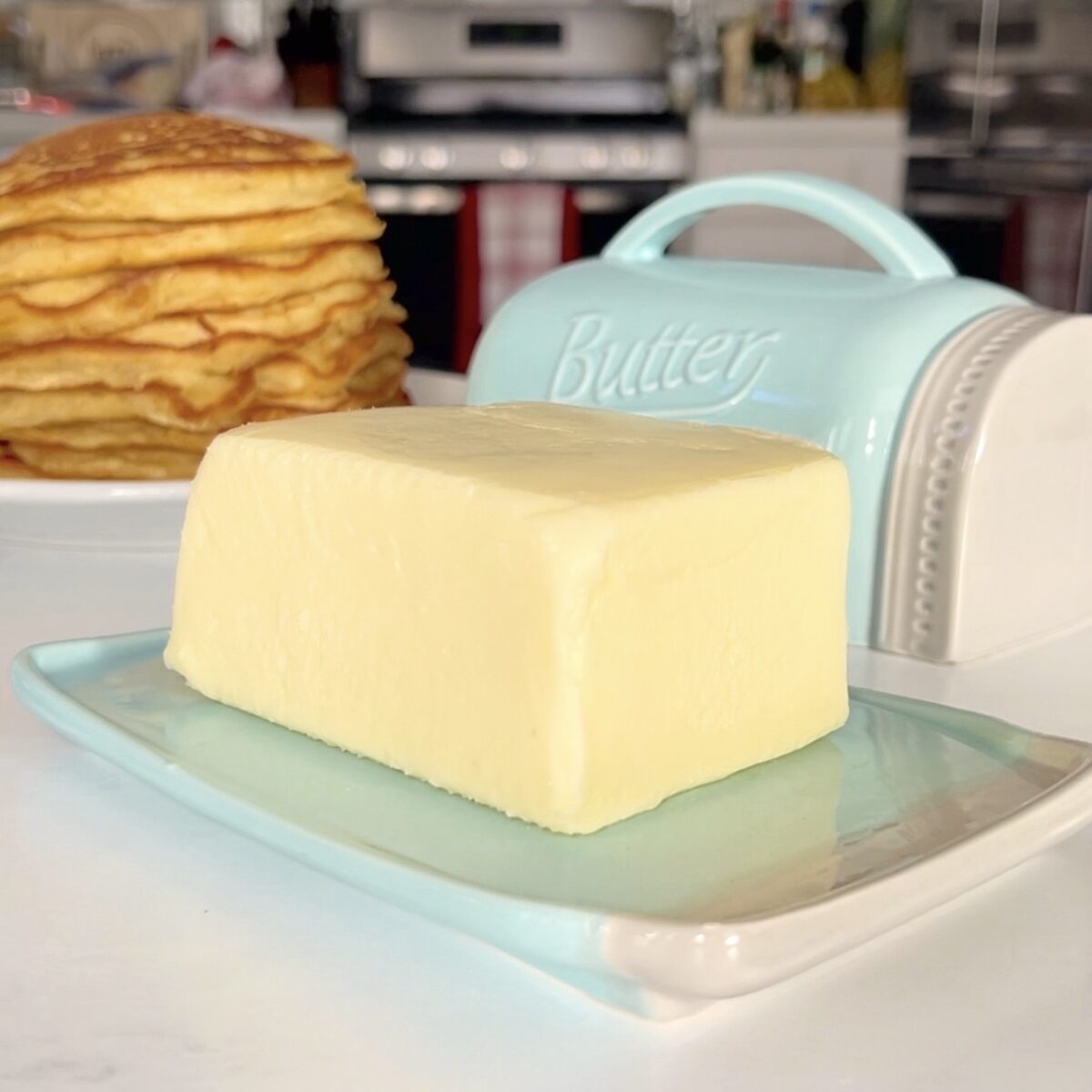
Unlock Culinary Magic: How to Make Butter with One Ingredient in 10 Minutes Flat
Imagine spreading rich, creamy, homemade butter on your morning toast, knowing exactly what went into it – just one pure ingredient. Sounds like a chef's secret, doesn't it? Well, prepare to be amazed, because making your own butter is not only incredibly simple but also astonishingly fast. With nothing more than a single readily available ingredient and about ten minutes of your time, you can transform ordinary heavy cream into a golden, delicious staple right in your own kitchen.
For anyone passionate about embracing a 'from scratch' lifestyle, or simply looking to elevate their everyday cooking, learning how to make butter one ingredient is a game-changer. It’s a rewarding process that puts you 100% in control of the flavor, texture, and freshness. Forget additives and preservatives; this is butter in its purest, most delightful form, and you’ll even get a bonus byproduct: fresh buttermilk!
The Humble Hero: Your Single Ingredient & Essential Tools
The beauty of this recipe lies in its elegant simplicity. You only need one star ingredient, but choosing the right one is crucial for success.
- Heavy Whipping Cream: This is your magic bullet. For the best results – meaning the creamiest butter and the most generous yield – aim for heavy cream with a fat content of at least 36%. Some brands even offer up to 40%, which is fantastic. The higher the fat, the quicker and more efficiently the butterfat will separate from the liquid. Always start with cold cream, straight from the refrigerator.
While the ingredient list is minimal, a few tools will make the process a breeze:
- Stand Mixer with a Whisk Attachment: This is the superstar tool for efficiency. A powerful stand mixer will churn your cream into butter in record time, largely hands-free.
- Electric Hand Mixer: If a stand mixer isn't in your arsenal, an electric hand mixer is a perfectly viable alternative, though it might require a bit more arm strength and a few extra minutes.
- Large Bowl: Essential, especially if using a hand mixer, to contain any splatters as the cream thickens.
- Fine-Mesh Sieve or Cheesecloth: Crucial for separating the buttermilk from the butter solids. A cheesecloth offers superior squeezing power for rinsing.
- Bowl of Ice Water: Non-negotiable for the rinsing stage.
- Spatula or Clean Hands: For kneading and shaping.
Embracing the simplicity of just one ingredient, heavy cream, allows you to take Control Your Kitchen: Make Butter With Just One Ingredient and discover a new level of culinary independence.
Step-by-Step Guide: How to Make Butter in 10 Minutes Flat
Ready to transform cream into luscious butter? Here’s your straightforward guide to achieving delicious homemade butter in mere minutes.
- The Whipping Wonderland: From Cream to Butterfat
Pour your cold heavy whipping cream into the bowl of your stand mixer (or a large bowl if using a hand mixer). Begin whisking at a medium-high speed. The journey from liquid cream to solid butter is a fascinating, multi-stage transformation:
- Stage 1: Whipped Cream: Initially, the cream will fluff up into soft peaks, then stiff peaks, just like when you’re making dessert topping. Keep going!
- Stage 2: Curdling/Graining: This is where the magic really starts. The cream will begin to look grainy, lumpy, and slightly yellow. It might seem like it’s "breaking" or "curdling," but this is exactly what you want. The fat solids are starting to clump together.
- Stage 3: Separation: Suddenly, often quite dramatically, the fat solids will fully separate from the liquid. You’ll hear a splashing sound as the thick, yellow butterfat forms into a solid mass, surrounded by a thin, milky liquid. This liquid is your fresh, homemade buttermilk! Don't stop mixing until the butter has clearly consolidated into a ball and the buttermilk is distinctly separate.
- Strain the Liquid Gold: Buttermilk Collection
Once the butterfat has separated, carefully pour the contents of the mixer bowl through a fine-mesh sieve or a cheesecloth-lined colander set over another bowl. The liquid that strains out is your buttermilk. Don't discard it! This fresh buttermilk is fantastic for baking, pancakes, or marinades. Store it in an airtight container in the fridge for up to a week.
- The Critical Rinse: Purity for Shelf Life
This step is often overlooked but is absolutely vital for the shelf life and flavor of your homemade butter. Transfer the butter solids into a bowl of ice-cold water. Using clean hands or a spatula, knead and squeeze the butter while it’s submerged. You’ll notice the water quickly becoming cloudy as residual buttermilk is pressed out. Drain the cloudy water and refill the bowl with fresh ice water. Repeat this rinsing process at least 3-4 times, or until the water remains completely clear after kneading. Any lingering buttermilk will cause your butter to spoil much faster, so be diligent here!
- Shape and Savor: The Finishing Touch
Once thoroughly rinsed, remove the butter from the ice water. Press out any excess water using your hands or a spatula. On a clean chopping board or surface, knead and shape the butter into a block, roll, or any desired form. At this stage, you can also incorporate flavorings.
For a deeper dive into the nuances of texture and consistency, explore Easy Homemade Butter: Your Guide to Pure, Fresh Cream.
Elevate Your Butter: Flavorings & Storage Secrets
One of the greatest joys of making your own butter is the ability to customize its flavor profile. Beyond simple salting, a world of possibilities awaits.
Customizing Your Homemade Butter
- Classic Salted: Stir in a pinch of good quality sea salt or kosher salt to taste. This enhances the flavor and acts as a natural preservative.
- Herb Butter: Finely chop fresh herbs like chives, parsley, dill, thyme, or rosemary and mix them in. Perfect for spreading on bread or finishing roasted vegetables.
- Garlic Butter: Mince a clove or two of fresh garlic (or use garlic powder) and mix it into the butter. A dash of black pepper or red pepper flakes adds a kick.
- Honey Cinnamon Butter: For a sweet treat, blend in a teaspoon or two of honey and a pinch of cinnamon. Delicious on pancakes, waffles, or sweet potatoes.
- Lemon Herb Butter: Add lemon zest and a squeeze of fresh lemon juice along with your favorite herbs for a bright, zesty compound butter.
Storing Your Homemade Gold
Proper storage ensures your homemade butter stays fresh and delicious for as long as possible.
- Refrigeration: Fresh homemade butter, especially if well-rinsed and salted, will keep in an airtight container or butter dish in the refrigerator for 1-3 weeks. The fresher your cream and the more thoroughly you've removed the buttermilk, the longer it will last.
- Freezing: Homemade butter freezes beautifully.
- Unsalted Butter: Will stay fresh for up to 6 months in the freezer.
- Salted Butter: Can last up to 12 months in the freezer, as salt helps with preservation.
- Defrosting: To use frozen butter, simply transfer it to the refrigerator overnight to thaw. For a quicker thaw, you can use the microwave in short bursts (10-15 seconds), flipping it in between to ensure even thawing, but be careful not to melt it completely. Only defrost as much as you need.
Why Make Your Own Butter? The Benefits Beyond the Basics
Beyond the sheer novelty and satisfaction, there are compelling reasons to incorporate homemade butter into your culinary repertoire:
- Unrivaled Freshness & Flavor: Store-bought butter, while convenient, can’t compare to the vibrant, clean taste of butter made just moments ago. The aroma alone is intoxicating.
- Purity & Control: When you make your own, you're guaranteed pure butter with no added colors, preservatives, or stabilizers. You control the quality of the single ingredient and any additional flavorings.
- Cost-Effectiveness (Especially with Buttermilk): While heavy cream isn't always cheap, you often get two products for the price of one – fresh butter and delicious buttermilk. If you frequently use both, it can be quite economical.
- A Sense of Accomplishment: There’s immense satisfaction in creating something so fundamental from scratch. It connects you more deeply to your food and kitchen.
- Customization Opportunities: As discussed, the ability to infuse your butter with unique flavors means you can always have a specialized spread or cooking fat on hand.
Conclusion: Your Kitchen, Your Butter, Your Rules
Who knew that such a luxurious, essential kitchen ingredient could be created with such minimal effort and such spectacular results? Learning how to make butter one ingredient in just ten minutes is more than just a recipe; it's an empowering culinary hack. It’s a testament to the simplicity and reward of returning to basics, giving you control over what you eat and allowing you to infuse your meals with unparalleled freshness and personalized flavor.
So, the next time you reach for a block of butter, consider the simple, magical transformation that awaits in your own kitchen. Grab some heavy cream, set aside ten minutes, and prepare to be delighted by the richness and purity of your very own homemade butter. Your taste buds, and your guests, will thank you.
