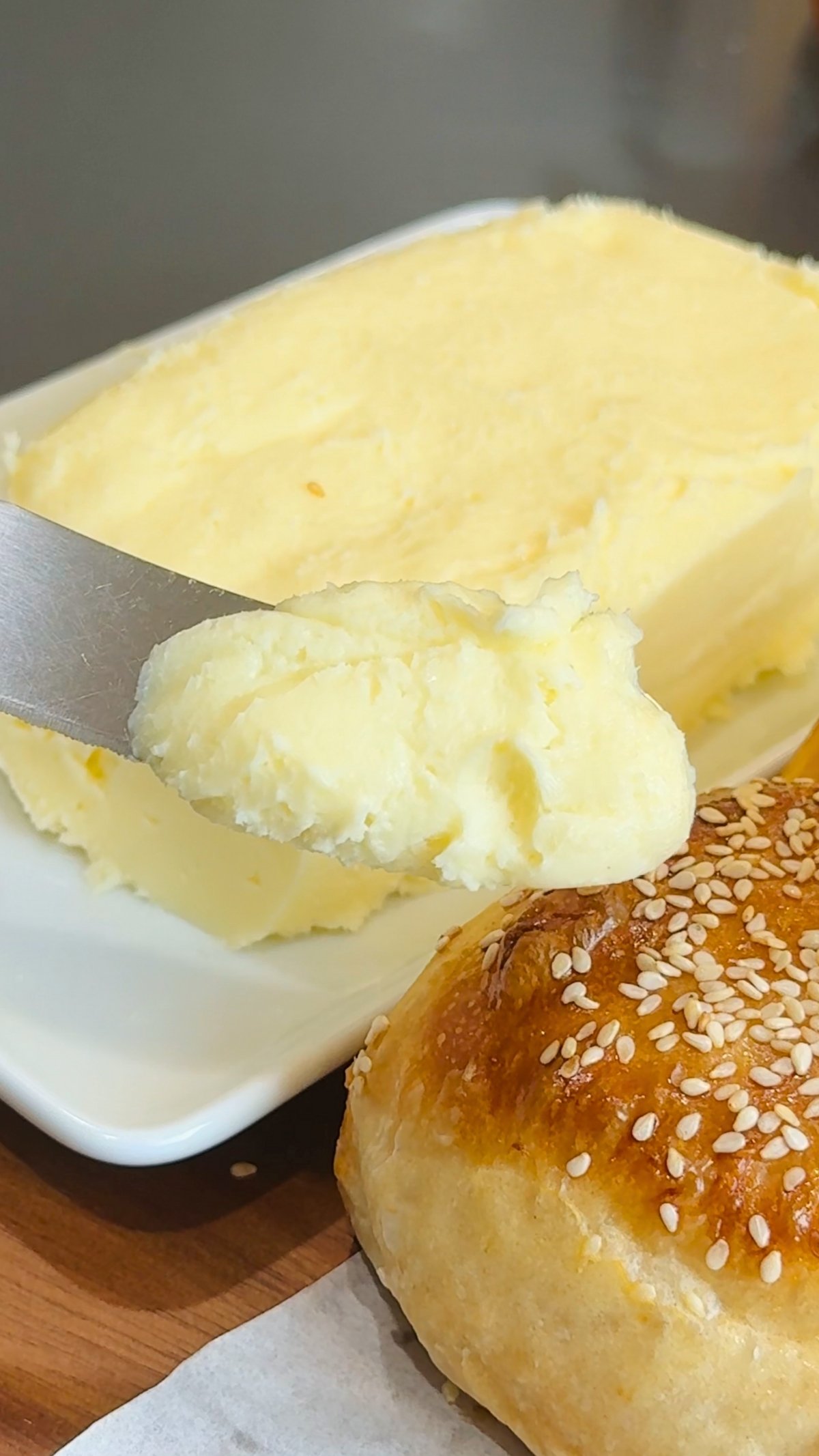
Easy Homemade Butter: Your Guide to Pure, Fresh Cream
Imagine spreading rich, creamy butter on warm toast, knowing it was made just moments ago in your own kitchen. It sounds like a culinary feat, perhaps even an old-world tradition, but the truth is, creating your own pure, fresh butter is incredibly simple. This guide will walk you through precisely how to make butter one ingredient at a time, transforming a humble dairy staple into a gourmet delight with minimal effort and maximum satisfaction.
Ditch the notion that butter-making is complicated. With just one key ingredient and a few minutes of your time, you'll unlock a world of unparalleled freshness and flavor. Not only will you control exactly what goes into your food, but you’ll also discover the sheer joy of truly homemade goodness. Let's dive into the pure, unadulterated pleasure of making butter from scratch.
Why Embrace Homemade Butter? The Pure Advantage
Making your own butter isn't just a fun kitchen experiment; it's a step towards culinary empowerment and a healthier lifestyle. Here's why you should consider making the switch:
- Unmatched Freshness and Flavor: Store-bought butter, while convenient, often travels a long way and sits on shelves. Homemade butter, on the other hand, is made on demand, offering a vibrant, pure dairy flavor that simply cannot be replicated. You'll taste the difference immediately!
- Complete Control Over Ingredients: When you tackle how to make butter one ingredient, you are literally in charge of everything. No artificial colors, preservatives, or stabilizers often found in commercial products. Just pure cream. This empowers you to Control Your Kitchen: Make Butter With Just One Ingredient and ensure a wholesome product for your family.
- A Valuable Byproduct: Homemade Buttermilk: A fantastic bonus of making butter is the rich, authentic buttermilk you’ll collect. This isn't the cultured buttermilk you buy at the store; it's the true liquid gold, perfect for baking fluffy pancakes, tender fried chicken, or moist cakes.
- Customization Opportunities: Once you have your fresh butter, the creative possibilities are endless. Infuse it with herbs, garlic, honey, or spices to create bespoke flavored butters tailored to any dish or occasion.
- A Rewarding Experience: There’s immense satisfaction in creating something delicious from scratch. Watching heavy cream transform into golden butter is a simple yet magical process that connects you to traditional culinary practices.
Your Essential Toolkit: One Ingredient, Simple Gear
The beauty of this recipe lies in its simplicity. You truly only need one main ingredient and a few common kitchen tools to master how to make butter one ingredient style.
The Star Ingredient: Heavy Whipping Cream
- The Higher the Fat, the Better: This is the golden rule. Look for heavy whipping cream with a fat content of at least 36% – ideally 40% if you can find it. The higher fat content means more butter yields and a faster churning process. Low-fat creams or half-and-half simply won't work as they lack the necessary fat globules to coalesce into butter.
- Cold but Not Icy: While you'll start with cold cream straight from the fridge, allow it to sit out for about 10-15 minutes to take the edge off its chill. Cream that is too cold can take longer to churn, while overly warm cream might result in a softer, more difficult-to-handle butter.
The Mixing Mechanism: Powering the Transformation
While various methods exist, some are more efficient than others for making your one-ingredient butter.
- Stand Mixer with Whisk Attachment: This is by far the easiest and most recommended method. It requires minimal effort on your part, allowing the machine to do all the heavy lifting. The whisk attachment provides the vigorous agitation needed for the fat globules to separate and clump together.
- Electric Hand Mixer: A perfectly viable alternative if you don't own a stand mixer. You'll need a large bowl and a good grip, as it will require more arm strength and attention. Keep the bowl steady and watch for splashing as the cream transitions through its stages.
- Food Processor: Can work in a pinch, though some find it produces a slightly finer, sometimes grainier texture. Use the standard blade and monitor closely to avoid over-processing.
- Mason Jar (Manual Method): For a truly hands-on, rustic experience (or a fun project with kids!), you can make butter by vigorously shaking heavy cream in a sealed mason jar. This method takes considerably more time and effort, best suited for smaller batches or if you want to truly earn your butter!
Other Essential Tools:
- Fine-Mesh Sieve or Cheesecloth: Crucial for separating the butter solids from the buttermilk. Cheesecloth is particularly effective for squeezing out every last drop.
- Large Bowl: For rinsing the butter.
- Ice-Cold Water: Essential for rinsing and firming up the butter.
- Spatula or Clean Hands: For kneading and shaping the butter.
Step-by-Step: The Transformation to Golden Goodness
Now that you have your ingredients and tools ready, let's walk through the magical process of how to make butter one ingredient at a time.
Stage 1: Whisking to Whipped Cream Perfection (and Beyond!)
- Pour the Cream: Pour your cold heavy whipping cream into the bowl of your stand mixer (or a large bowl if using a hand mixer).
- Start Mixing: Begin whisking at a medium speed. Cover the bowl with a towel if you want to minimize splashes, especially during the initial liquid stage.
- Observe the Stages: The cream will go through several distinct transformations:
- Liquid Cream: It starts as a loose liquid.
- Soft Peaks: Within a few minutes, it will thicken into soft whipped cream.
- Stiff Peaks: Continue whisking, and it will become stiff, firm peaks, perfect for dessert toppings.
- Grainy Texture: Keep going! The whipped cream will then start to look slightly grainy and yellowish. This is where the fat globules are beginning to separate.
- The Great Separation: Suddenly, often quite dramatically, the fat solids (butter) will separate from the liquid (buttermilk). You’ll hear a change in the mixer’s sound, and you’ll see distinct lumps of pale yellow butter in a milky liquid. Do not stop mixing until this separation is clear! This quick and efficient process makes this an ideal How to Make Butter: One Ingredient, 10 Minutes Flat solution.
Stage 2: The Vital Rinse – Washing Away Impurities
This is arguably the most critical step for delicious, long-lasting homemade butter.
- Strain the Buttermilk: Carefully pour the contents of your mixer bowl through a fine-mesh sieve or cheesecloth-lined colander into another bowl. The liquid collected is your fresh buttermilk – save it! Gently press the butter solids to extract more buttermilk.
- Prepare for Rinsing: Transfer the butter solids into a bowl filled with ice-cold water. The cold water helps to firm up the butter and prevents it from melting while you work.
- Rinse and Knead: Submerge the butter in the ice water. Using your clean hands (or a spatula), knead and squeeze the butter repeatedly. You’ll notice the water quickly turns cloudy with leftover buttermilk. This buttermilk contains lactose, which can cause your butter to spoil quickly if not thoroughly removed.
- Repeat: Discard the cloudy water and refill the bowl with fresh ice-cold water. Repeat the kneading and rinsing process. Continue this 3-5 times, or until the water remains completely clear after squeezing the butter. This thorough rinsing is essential for extending your butter’s shelf life.
Stage 3: Shaping Your Masterpiece & Flavoring Fun
- Squeeze Dry: Once thoroughly rinsed, give the butter one last firm squeeze to remove any excess water.
- Season (Optional): Now is the time to add salt or other flavorings. For every cup of butter you yield from 1 quart of heavy cream, a good starting point is about 1/2 teaspoon of fine sea salt. Knead the salt evenly into the butter. For flavored butter, incorporate finely chopped fresh herbs (rosemary, thyme, chives, dill), minced garlic, honey, or cinnamon.
- Shape and Chill: On a clean surface or parchment paper, knead and shape your butter into a block, log, or individual pats. You can use your hands or a butter mold.
Storing Your Homemade Butter: Maximizing Freshness
Proper storage is key to enjoying your fresh butter for as long as possible.
- Refrigeration: Place your fresh butter in an airtight butter dish or wrap it tightly in parchment paper, then cling film. Store in the refrigerator for 1 to 3 weeks. The exact shelf life depends heavily on how fresh your original cream was and, critically, how thoroughly you rinsed out all the buttermilk.
- Freezing for Long-Term Storage: Homemade butter freezes beautifully!
- Preparation: Wrap the butter tightly in cling film, beeswax wrap, or parchment paper, then place it in an airtight freezer bag or container to protect against freezer burn.
- Shelf Life: Unsalted homemade butter can last up to 6 months in the freezer, while salted butter can remain fresh for up to 12 months (salt acts as a natural preservative).
- Thawing: Simply transfer frozen butter to the refrigerator overnight to thaw. For quicker thawing, use short bursts (10-15 seconds) in the microwave, flipping occasionally.
- Pro Tip: Always label your butter with the date it was made and whether it's salted or unsalted.
Beyond the Basics: Tips for Success & Creative Uses
- Don't Be Afraid to Mix Longer: If your cream isn't turning into butter after it's passed the stiff peak stage, simply keep mixing! Sometimes it just needs a little more agitation. Ensure your cream has adequate fat content.
- Embrace Your Buttermilk: Don't discard the byproduct! Use your fresh buttermilk for incredibly tender baked goods like biscuits, pancakes, cornbread, or as a tangy marinade for chicken. You can even enjoy it plain as a refreshing, slightly tart drink.
- Experiment with Flavors: Beyond salt, consider a compound butter for steaks (garlic-herb), seafood (lemon-dill), or even sweet treats (honey-cinnamon butter for toast or muffins).
- Try Different Cream Sources: If possible, explore local dairies or specialty stores for organic, grass-fed heavy cream. The quality of the cream directly impacts the flavor and richness of your final butter.
Conclusion
Mastering how to make butter one ingredient is a surprisingly simple yet profoundly rewarding culinary skill. It offers unparalleled freshness, complete control over what you consume, and the sheer joy of creating a kitchen staple from scratch. From the satisfying hum of the mixer to the delicate flavor of your personalized compound butter, every step is a testament to the magic of simple ingredients. So, embrace the art of butter-making, elevate your everyday meals, and savor the pure, unadulterated pleasure of butter made by your own hands. Your taste buds (and your guests) will thank you!
